Back to gallery
The Sword, symbolic card No. 21 of the Mind level of Trazado Álmico
Card N°21 · Mind Level

The Sword

Discernment

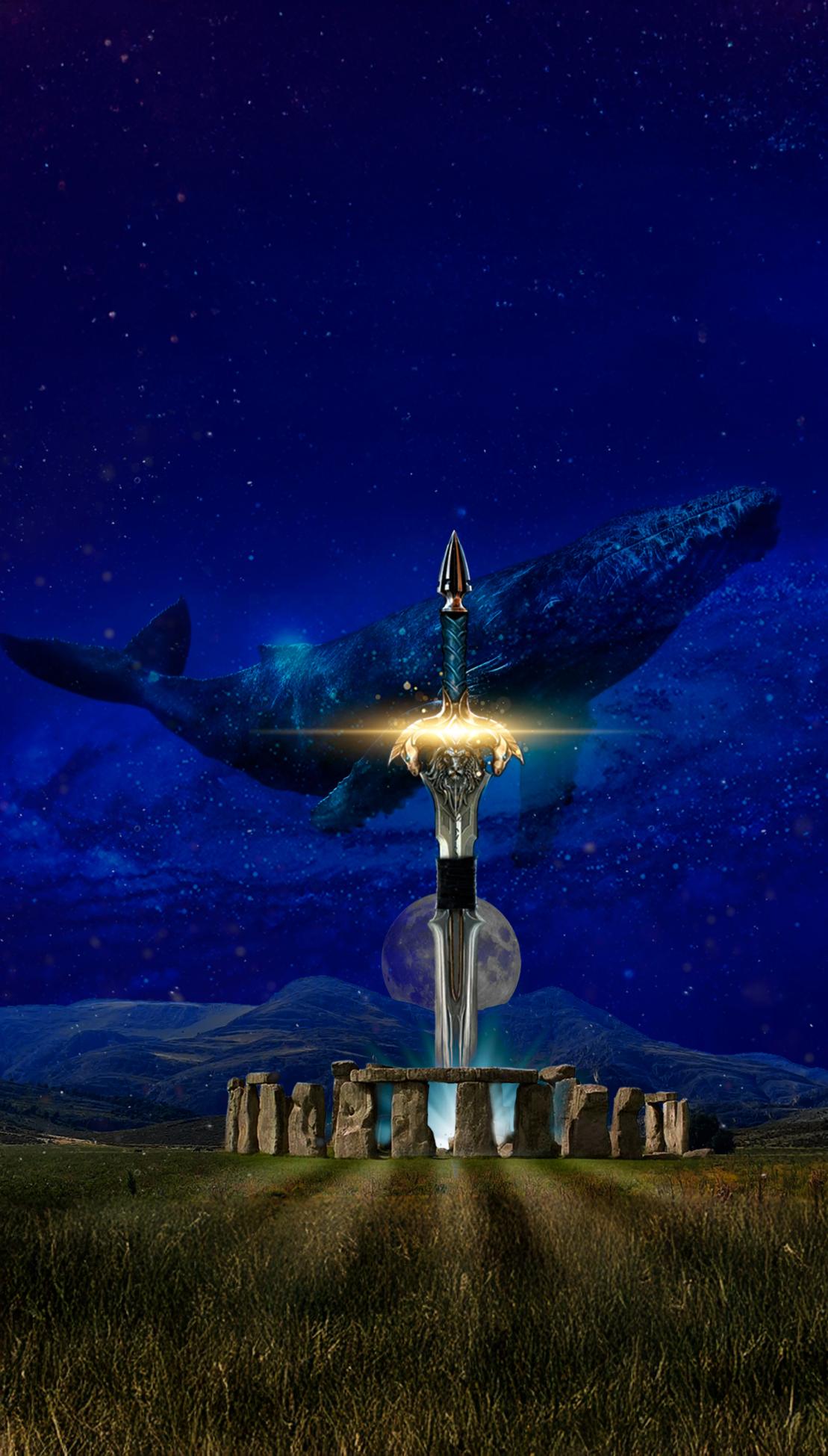
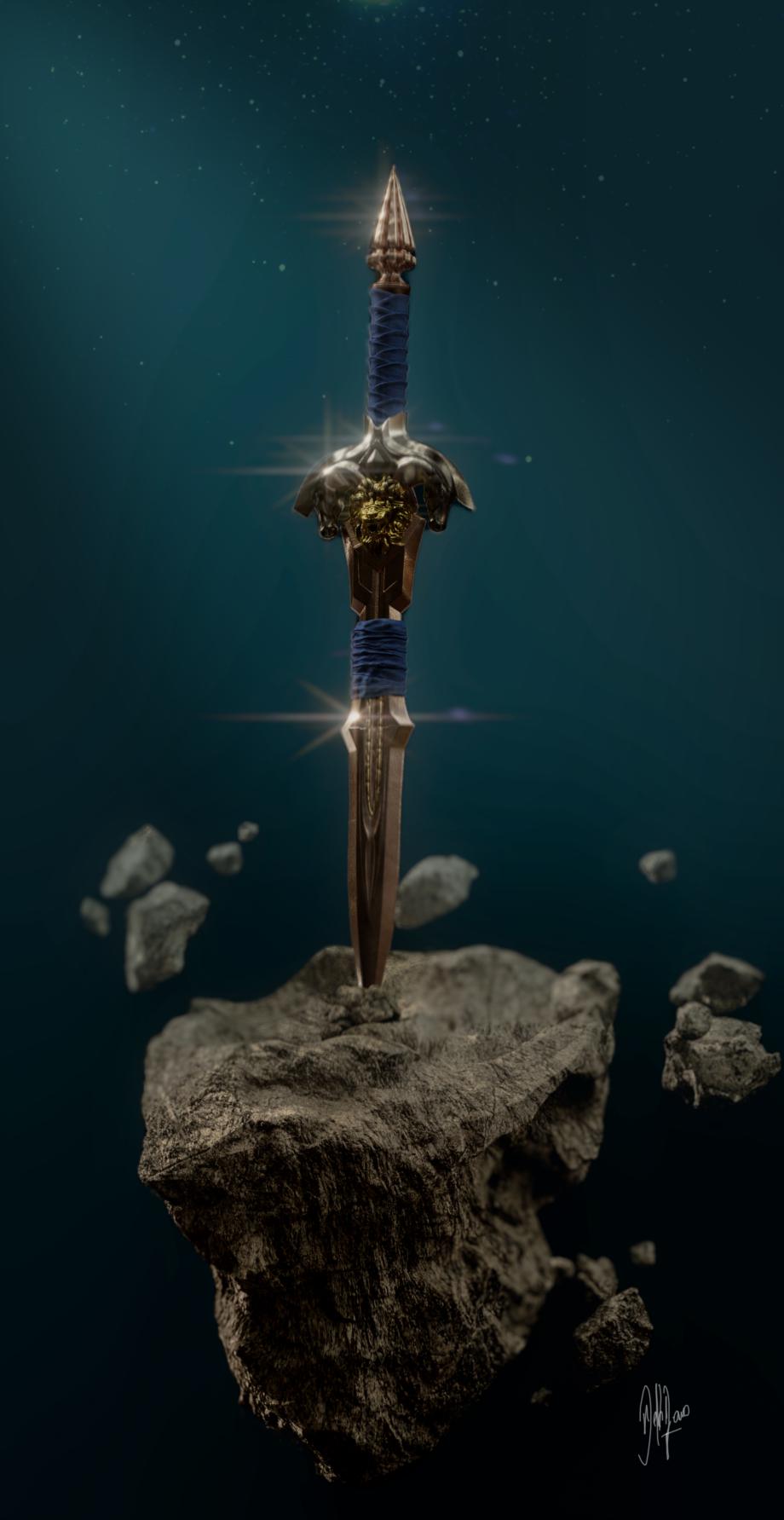
A sword embedded in the rock. It waits for no one. It does not need a hand to hold it or a story to justify it. It is there, with the blade buried in the stone and the pommel pointing to the void, like a question that answers itself: what truly cuts is not wielded from the outside.

The Sword appears when what is lacking is not information but cut. The capacity to separate what serves from what occupies space. It is not the card of brute force—it is that of precision. Working with this card is ceasing to negotiate with what you already know has to go and trusting that everything you need to make the cut is already forged in you.

Discernment is not an act of violence — it is an act of honesty. The sword points downward because it is not a truth that floats in the abstract. It is clarity that penetrates matter, that drives into the concrete, that has consequences. It represents Mercury: the coherence between what is thought, what is said, and what is done. When those three things do not coincide, there is no edge. When they do, the cut is inevitable.

What makes this sword unique is that it is not a simple instrument that needs an external hand to function. Forged into its very structure are strength, passion, and the non-negotiable — not as allies that accompany it, but as qualities fused into the weapon itself. This changes our relationship with discernment: it is not something that needs borrowed courage to operate. Courage is already part of the edge. It does not ask permission from emotion to act because emotion is integrated into the guard, placed at the service of precision instead of running wild and untamed. The difference between raw emotion and forged emotion is the difference between a loose horse and a horse that forms part of a structure.

The matter the sword penetrates does not remain intact. The fragments floating around are evidence that something has already been cut, decided, resolved. Discernible action always leaves a mark — on what is cut and on the one who cuts. But the remains are not debris. They are what is left when what was redundant is removed, like the marble that falls when the sculptor finds the form that was inside.

And the silence surrounding the scene is not decorative emptiness. It is the operating condition of discernment. Without distraction, without context, without background noise to justify or mitigate it. The edge operates best when all accessories are removed — when what remains before you is solely the question of what stays and what goes, with no possible escape.
The Sword — Mercury Embedded in Matter

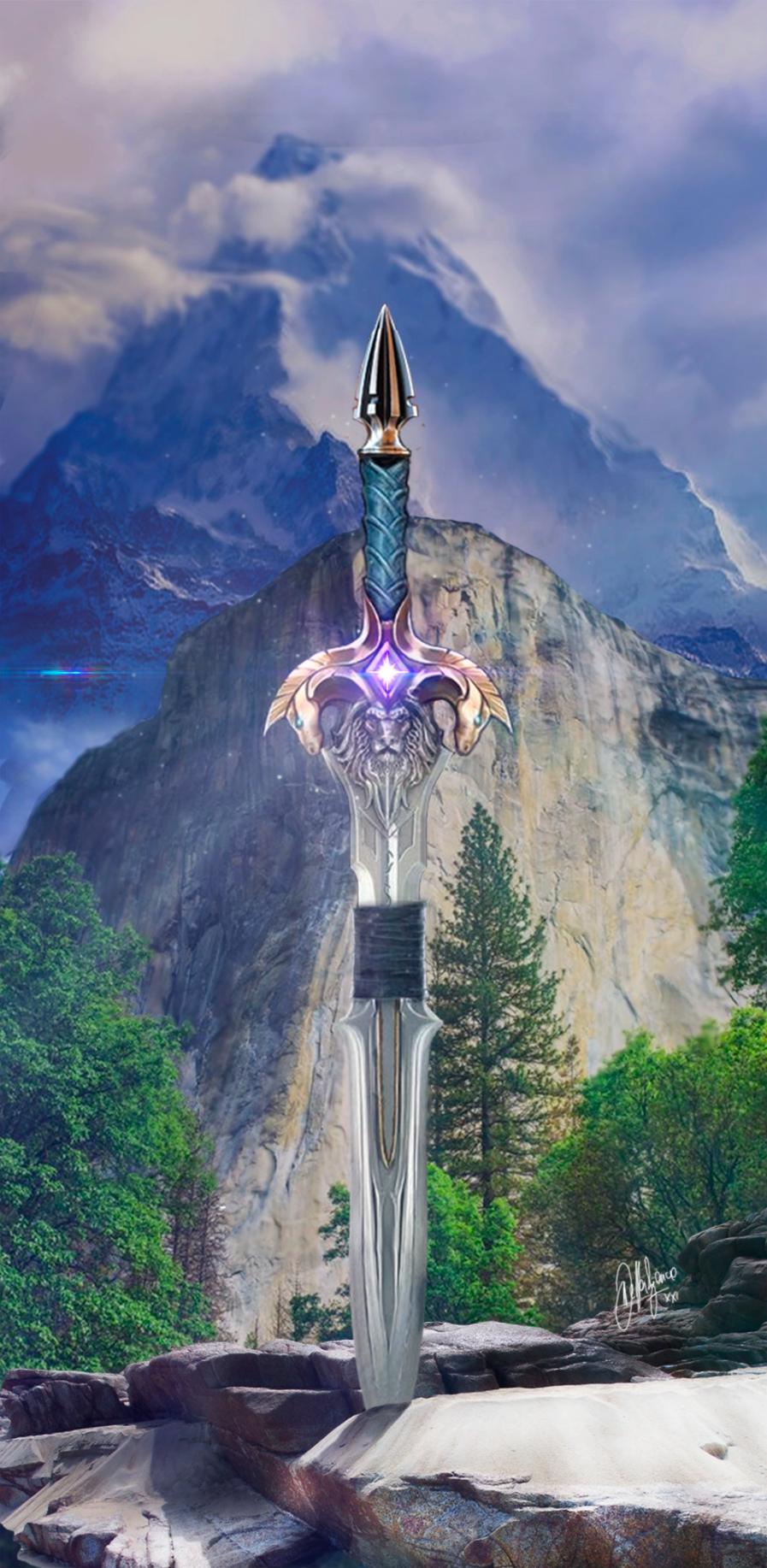
What is seen: a double-edged silver metallic sword embedded tip-first into a floating rock. The conical pommel points upward. The sword points downward. It does not rise, it does not display itself — it penetrates. It is discernment refusing to remain abstract and instead embedding itself within the concrete. It represents Mercury: the capacity to distinguish, to name what is without decorating what is not. The coherence between what is thought, spoken, and done. It is not a weapon of attack — it is an instrument of clarity.

The Golden Lion — The Strength Already Within

What is seen: a lion’s face with mane, open mouth, and glowing red eyes sculpted in golden relief at the center of the guard. The lion is not beside the sword. It is fused into it. That means the strength required for discernment is not something you search for externally — it is already forged within the instrument itself. The lion does not roar in order to intimidate; it roars because clarity requires courage. The red eyes reveal that this strength is alive, burning, not ornamental.

The Horses — Passion Forged Into Structure

What is seen: two horse heads made of dark metal forming the extensions of the guard’s crosspiece, one on each side. Their eyes glow blue. The horses are the wings of the guard. Passion is neither loose nor uncontrollable — it has been forged into the structure supporting the blade. That is the difference between raw emotion and integrated emotion: the horses do not run free; they are placed in service of the cut. They face downward, toward matter, as though guarding the edge itself.

The Red Gem — What Is Not Negotiable

What is seen: a red diamond-shaped gemstone set into the guard above the lion. It is the core. The gem does not shine for decoration — it marks the point where strength (lion), passion (horses), and direction (blade) converge. What this gemstone represents cannot be negotiated or replaced.

The Rock and the Fragments — What Remains After Impact

What is seen: a dark floating rock where the sword is embedded, with fragments of stone suspended around it within the void. The rock is not a pedestal — it is matter pierced through. The floating fragments are the remains of what shattered once discernment became concrete.

The Teal Void — The Silence Where Things Become Clear

What is seen: a dark deep blue-green background without landscape or horizon, with subtle particles resembling distant stars. There is no distraction. No context. Discernment does not require scenery — it requires silence. The dark teal is not dead emptiness; it possesses depth, like very deep water. It is the space where things appear exactly as they are once everything unnecessary has been removed.

Card Affirmation

"I already have the edge. I stop postponing the cut."

The Two Columns

Take a sheet of paper and divide it into two columns. On the left, write everything you are currently holding within your life: projects, relationships, habits, ideas, commitments. On the right, honestly mark which ones you sustain through conscious decision and which through inertia. Do nothing with the list yet. Simply look at it. Discernment begins by seeing clearly what exists before making the cut.

  • What am I still carrying even though it no longer belongs to me, simply because I became accustomed to it?
  • Where within my life do I confuse loyalty with inertia?
  • What decision am I postponing because cutting feels more frightening than continuing to carry the weight?
  • Do I recognize my own strength as something I already possess, or am I still waiting for external confirmation?
  • What would remain if I removed from my life everything I did not consciously choose?
  • Can I distinguish between what I truly want and what I merely became accustomed to wanting?

Discernment is not an act of violence. It is an act of honesty. The sword does not destroy indiscriminately — it separates what is from what merely pretends to be. And everything you need in order to make that cut is already forged within the instrument itself: the strength of the lion, the passion of the horses, the clarity of the gem. There is nothing left to search for. There is only the need to stop postponing the moment when the blade enters reality.